Address
Suite F31, Melita Plaza, Plot 599, Gwajior Close Off Gimbiya Street, Area 11, Garki, Abuja – Nigeria
Work Hours
Monday to Friday: 8AM - 5PM
Weekend: 10AM - 5PM
Address
Suite F31, Melita Plaza, Plot 599, Gwajior Close Off Gimbiya Street, Area 11, Garki, Abuja – Nigeria
Work Hours
Monday to Friday: 8AM - 5PM
Weekend: 10AM - 5PM

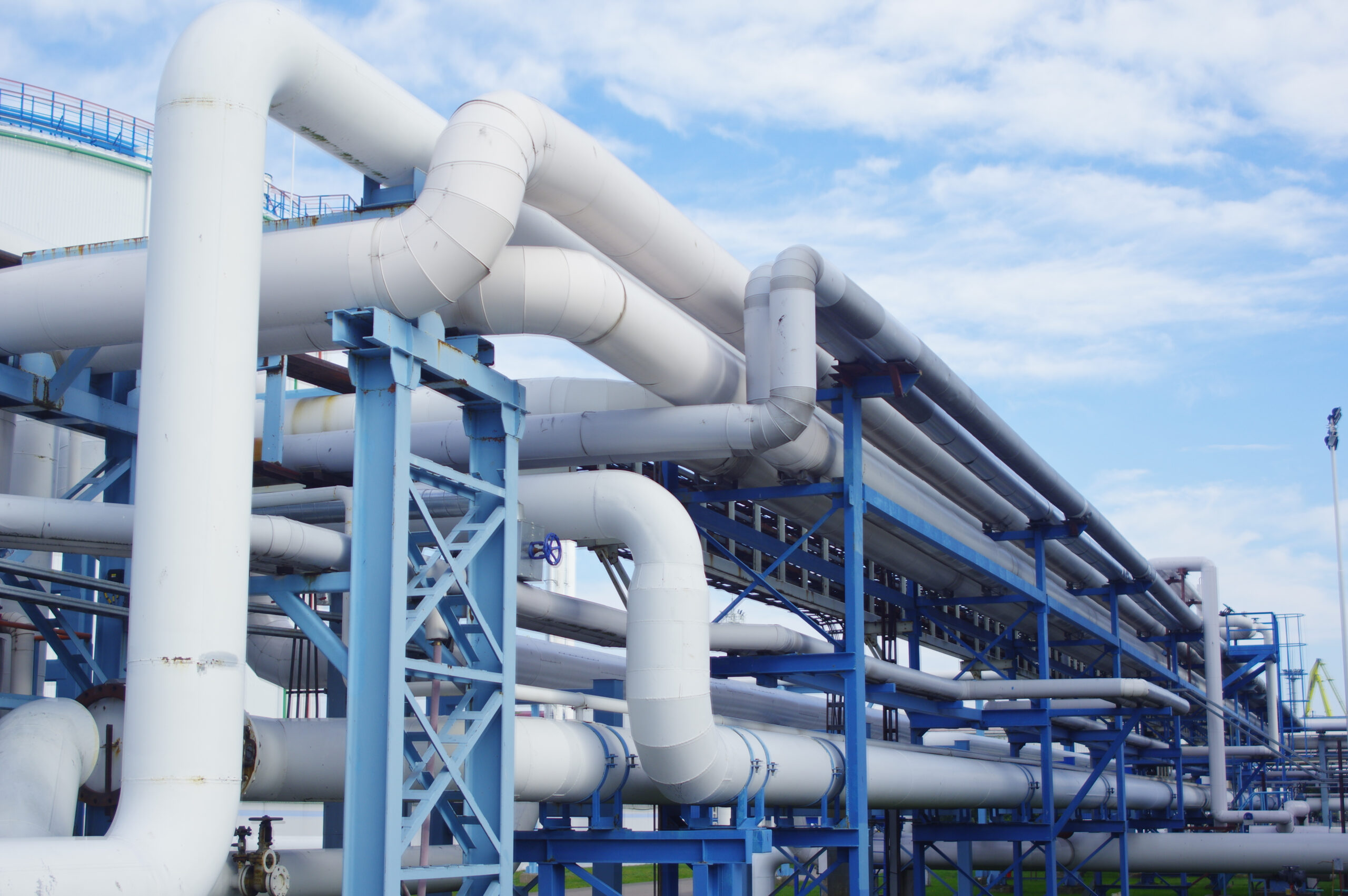
As the global demand for cleaner, more sustainable fuel alternatives continues to grow, Nigeria is gradually stepping into a new era of energy innovation—driven by the urgent need to diversify its energy mix, reduce carbon emissions, and harness its abundant natural gas reserves. One of the most significant developments in this shift is the adoption of Compressed Natural Gas (CNG) as an alternative to traditional fossil fuels.
Compressed Natural Gas is a cleaner-burning, cost-effective, and environmentally friendly alternative to petrol and diesel. It produces significantly fewer harmful emissions, making it an attractive option for both the transport and industrial sectors. With global pressure to cut greenhouse gas emissions, CNG has become a strategic solution, especially in countries like Nigeria, where gas reserves are abundant yet underutilized.
According to the Nigerian National Petroleum Corporation (NNPC), Nigeria holds the largest natural gas reserves in Africa—estimated at over 200 trillion cubic feet. Despite this potential, the nation has long relied heavily on petrol and diesel, contributing to environmental pollution and economic inefficiencies due to costly subsidies and fuel importation.
In recent years, the Nigerian government has begun taking concrete steps toward promoting CNG. Through the Presidential Compressed Natural Gas Initiative (PCNGi), the government aims to reduce Nigeria’s reliance on petrol by converting over one million vehicles to run on CNG, creating thousands of jobs in the process. This initiative aligns with broader goals to reduce carbon emissions, promote domestic energy consumption, and cushion the impact of fuel subsidy removal.
States like Lagos, Ogun, and Kaduna have seen increased private sector investment in building CNG refueling infrastructure. Local transportation systems—especially commercial buses and logistics fleets—are already beginning to adopt this transition.
While the momentum is building, challenges remain. These include limited infrastructure for refueling and distribution, a lack of public awareness, regulatory bottlenecks, and the upfront cost of vehicle conversion kits. However, with the combined efforts of public and private sector stakeholders, the pace of adoption is expected to accelerate in the coming years.
At Nexxon Energy, we recognize that the shift to CNG is not just an environmental imperative but a strategic economic opportunity. As a forward-thinking player in Nigeria’s downstream sector, we are fully committed to being part of this transformation.
Here’s how Nexxon is contributing:
The transition to CNG is no longer a question of “if” but “how fast.” With government backing, abundant resources, and private sector commitment, Nigeria is poised to become a regional leader in CNG adoption. Nexxon Energy is proud to be part of this journey, helping to power progress while staying true to our values of reliability, transparency, and innovation.
